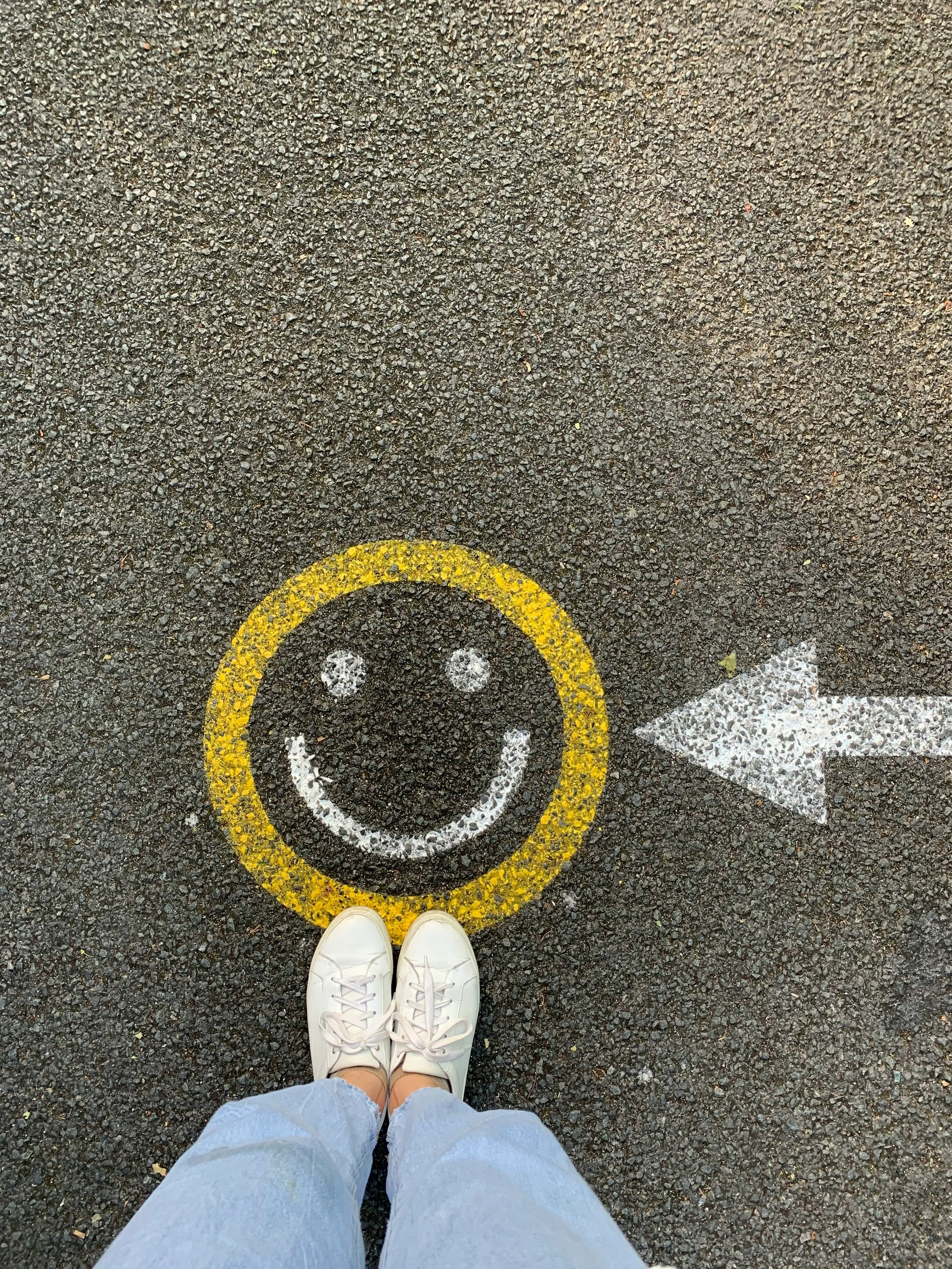
We spend our lives pursuing happiness. But how often do we stop to ask what actually makes us happy?
We all want to be happy. It's one of the few aspirations that transcends differences in age, culture, wealth, and circumstance. Yet for something so central to our lives, we spend surprisingly little time examining what actually makes us happy.
Instead, we tend to pursue happiness indirectly. We work toward the next promotion, save for a bigger home, buy something we've wanted, or set another ambitious goal. Each achievement brings a moment of satisfaction, followed by a new target. Like a character in a video game, we move from one level to the next, collecting rewards along the way, rarely questioning whether we're playing the right game.
There's nothing wrong with ambition, financial security, or the pleasure of acquiring something beautiful. These things can genuinely improve our lives. The problem arises when accumulation and achievement become substitutes for a more fundamental question: What kind of life would actually leave us feeling fulfilled?
We assume that happiness awaits us at the next milestone. But what if the pursuit itself has become so consuming that we've forgotten to enjoy the life we're building?
Why Happiness Has a Moving Finish Line
Psychologists have a name for our tendency to become accustomed to improvements in our circumstances: hedonic adaptation. Something that once seemed extraordinary gradually becomes ordinary, and the satisfaction it provides may diminish.
Think about the last thing you desperately wanted—a new car, a promotion, a beautiful home, or an expensive purchase. Remember the anticipation and excitement when you finally got it? Now consider how long that feeling lasted before the achievement became part of everyday life.
Research on happiness suggests that adaptation helps explain why positive changes don't always produce lasting increases in well-being. In their influential 2005 paper, Pursuing Happiness: The Architecture of Sustainable Change, psychologists Sonja Lyubomirsky, Kennon Sheldon, and David Schkade explored why changes in circumstances may lose some of their emotional impact over time, while intentional activities offer another possible route to sustaining well-being. [1]
This doesn't mean achievements are meaningless or that we're destined to be perpetually dissatisfied. Some changes—escaping financial hardship, finding meaningful work, improving health, or building a loving relationship—can have profound and enduring benefits.
The lesson is simply that we shouldn't confuse the excitement of acquiring something with the deeper satisfaction of living well.
Does Money Buy Happiness? The Answer Is More Interesting Than You Think
It's fashionable to say that money doesn't buy happiness, but research tells a more nuanced story. Money provides security, independence, comfort, and freedom of choice. A 2023 study by Killingsworth, Kahneman, and Mellers found that emotional well-being generally continues to rise with income, although the relationship varies across individuals. [2]
Yet we can lose our way financially in two very different ways. Some of us focus so much on today's needs and pleasures that we neglect to build the financial security we'll need tomorrow. Years of earning potential can pass without sufficient saving or investing, leaving us with fewer choices later in life, precisely when we may no longer be able or willing to work. Financial freedom rarely happens by accident; it requires planning and consistent effort.
At the other extreme are those for whom accumulating wealth becomes an end in itself. It's remarkably easy to lose sight of what enough looks like. We chase six-figure salaries, seven-figure portfolios, and ever-higher net worth milestones. And now, apparently, even being a billionaire isn't enough—there's a trillionaire to contend with! The goalposts keep moving, and for those determined to keep score, it's a game that's almost impossible to win.
Research also suggests that experiences often bring more lasting satisfaction than material purchases, partly because they create memories, strengthen relationships, and become part of our identity. Even anticipating an experience can bring pleasure. [3][4] But experiences aren't always superior to possessions. There's little sense in spending thousands on a week-long vacation while tolerating an appliance that frustrates you every day.
Perhaps the question isn't how much more we can accumulate or what next thing we do, but what we want our money to make possible. Wealth can expand our choices, but it takes intention to turn those choices into a more fulfilling life.
The Relationships That Make Life Richer
One of the clearest findings in the science of well-being concerns something that cannot simply be purchased: the quality of our relationships. The Harvard Study of Adult Development, which began in 1938, has followed participants across decades to understand the factors associated with healthy and satisfying lives. Among its important findings is that strong, supportive relationships are closely linked to happiness and long-term health. [5]
This may sound obvious. Most of us would readily acknowledge that family and friendships matter. Yet our behavior doesn't always reflect that understanding. We make time for meetings, deadlines, and errands, while postponing a call to a parent or a visit with an old friend. We assume there will be another weekend, another holiday, or a more convenient moment to reconnect.
Relationships, however, rarely flourish on good intentions alone. They need attention, shared experiences, and the ordinary gestures that communicate care. A conversation over coffee, an evening spent together, or a simple phone call may not feel like an accomplishment in the conventional sense. But these moments often become the substance of a life we remember with affection.
The Underappreciated Gift of Ordinary Years
Happiness isn't just about the experiences we enjoy or the things we achieve. It's also about looking back on our lives with fewer regrets, knowing we made time for what mattered to us. A 1995 review by psychologists Thomas Gilovich and Victoria Medvec found that while we often regret our actions in the short term, the things we failed to do can become greater sources of regret over time. [6]
Think of the trip we keep postponing, the friendship we mean to revive, the skill we always wanted to learn, or the conversation we never quite find time to have. We assume there will always be another opportunity, but life doesn't necessarily work that way. Sometimes years pass with relatively little disruption. We work, celebrate birthdays, manage our homes, and settle into familiar routines. Then, unexpectedly, an illness, the loss of someone close, or a major change in circumstances alters the shape of everyday life. What once felt ordinary can suddenly seem precious: good health, time with family, the ability to travel, a peaceful home, or simply the freedom to decide how to spend a weekend.
Recognizing this doesn't require living in constant fear of what might happen. Nor does it mean abandoning long-term plans. It means appreciating that the conditions we enjoy today may offer opportunities that won't always be available in quite the same way.
There is wisdom in making good use of ordinary days while we have them.
If happiness were simply about enjoying the present, the answer might be to spend freely, pursue pleasure, and avoid anything uncomfortable. But that would ignore another essential dimension of a fulfilling life: the satisfaction and freedom that come from preparing for the future. Some of the most valuable things we do today offer little immediate excitement. Exercising regularly, saving and investing, maintaining our health, developing skills, and nurturing relationships often require patience and repetition. Their benefits accumulate gradually, sometimes almost invisibly.
Making Happiness Part of Everyday Life
Most of us move through life on autopilot, caught up in daily routines, responsibilities, and the next thing on our to-do list. We rarely stop to ask whether the life we're living is actually making us happy. What brings us genuine satisfaction? Which relationships deserve more attention? What experiences do we keep postponing, and what small investments today could make tomorrow happier? These questions deserve a place in our everyday lives, not just during moments of reflection or crisis.
This is the philosophy behind Own Day, an intentional living app that helps you turn what matters into everyday actions. You might plan a weekend getaway, spend more time with people you love, explore a new interest, or simply make room for things that bring you joy. Equally important are the less exciting commitments, exercising, saving, learning, or caring for your health, things that help build a happier, more secure future.
The practice of trying to be more deliberate about your day than what the work or social calendar demands helps you to consider new ideas, experiment, reflect, and discover what makes you happy. Perhaps happiness isn't a destination we eventually reach, but a life we continually shape, enjoying what we have today, exploring what makes life richer, and investing in the person we want to become tomorrow.
References
[1] Lyubomirsky, S., Sheldon, K. M., & Schkade, D. (2005). Pursuing Happiness: The Architecture of Sustainable Change. Review of General Psychology, 9(2), 111–131.
https://doi.org/10.1037/1089-2680.9.2.111
[2] Killingsworth, M. A., Kahneman, D., & Mellers, B. (2023). Income and emotional well-being: A conflict resolved. Proceedings of the National Academy of Sciences, 120(10), e2208661120.
https://doi.org/10.1073/pnas.2208661120
[3] Gilovich, T., Kumar, A., & Jampol, L. (2015). A wonderful life: Experiential consumption and the pursuit of happiness. Journal of Consumer Psychology, 25(1), 152–165.
https://doi.org/10.1016/j.jcps.2014.08.004
[4] Kumar, A., Killingsworth, M. A., & Gilovich, T. (2014). Waiting for Merlot: Anticipatory consumption of experiential and material purchases. Psychological Science, 25(10), 1924–1931.
https://doi.org/10.1177/0956797614546556
[5] Harvard Study of Adult Development (2023). Relationships make us happy—and healthy. Harvard Gazette.
https://news.harvard.edu/gazette/story/2023/02/work-out-daily-ok-but-how-socially-fit-are-you/
[6] Gilovich, T., & Medvec, V. H. (1995). The experience of regret: What, when, and why. Psychological Review, 102(2), 379–395.
https://doi.org/10.1037/0033-295X.102.2.379
[7] Noetel, M., et al. (2024). Effect of exercise for depression: Systematic review and network meta-analysis of randomised controlled trials. The BMJ, 384, e075847.
https://doi.org/10.1136/bmj-2023-075847